It took me awhile to come to this ah-ha moment: the difference between students doing projects and project based learning (PBL) is that in authentic PBL, the project IS the unit.
PBL is something that I have been playing around with in my classroom and trying to wrap my head around for quite a few years now. I have come to realize that I have often engaged in aspects of PBL with classes in the past without even realizing it.
Challenging Problem or Question
Sustained Inquiry
Authenticity
Student Voice and Choice
Reflection
Critique and Revision
Public Product
I am drawn to PBL so much because it is authentic, inquiry is built into the framework, and, perhaps most importantly, student voice is central to the entire process. Teachers are truly co-learners, or “guides on the ride” (I learned that awesome term from the book Empower by John Spencer and AJ Juliani) throughout the journey.
A group of teachers at my school and I have been working on an innovation project, so we have had the privilege of collaborating on infusing PBL across three grade levels. I want to document the journey that I have been on with my students in our classroom. We are only part of the way through the journey, who knows where it will go, or where we will end up!
The Starting Point : BIG IDEAS!
The first thing I did was put the Big Ideas that we would be working on throughout the project up on my back wall. This not only makes the curriculum visible for the students, but is also a reminder for me. I find that I reference the big ideas a lot. It provides an anchor for the project, and really allows us to work together to uncover the curriculum. For this project, we decided to tackle both Geography and Science Big Ideas.
Provocations
I LOVE provocations! Provocations can come in all different sorts of ways. A book, poem, songs, field trips, drama activities, problem to solve, maker challenge, videos, a space set up to explore. The purpose of provocations, as the name suggests, is to provoke student thinking and curiosity. We engaged in a number of different activities to start thinking about the topic. I used to think that I had to create everything from scratch in inquiry and PBL, or that it had to be all open inquiry all the time. I’ve come to realize however, that there is a place for guided instruction and it’s good to pull from a variety of resources.
. 
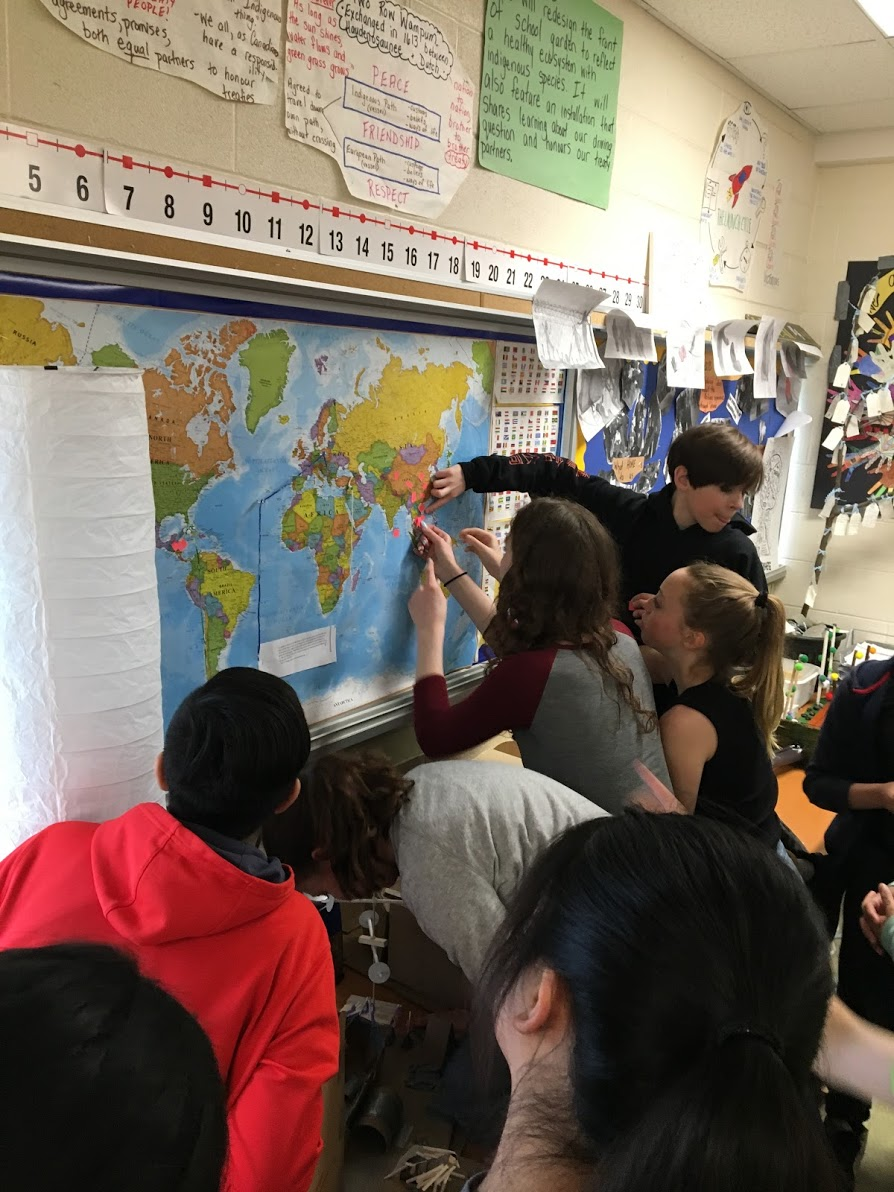
Plotting where our clothes come from.

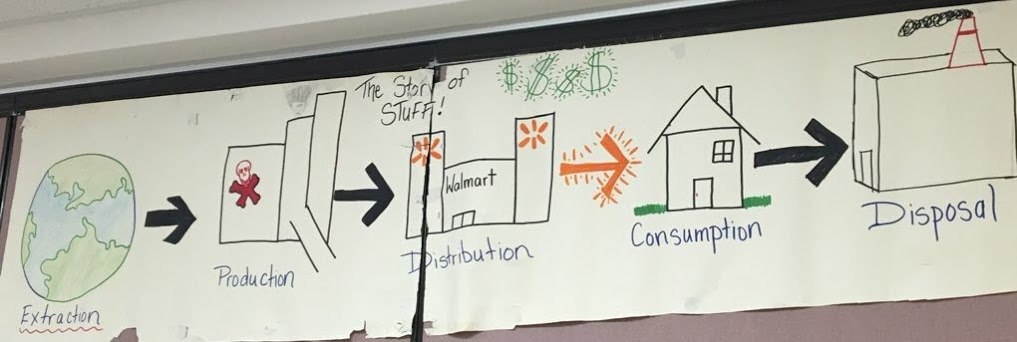
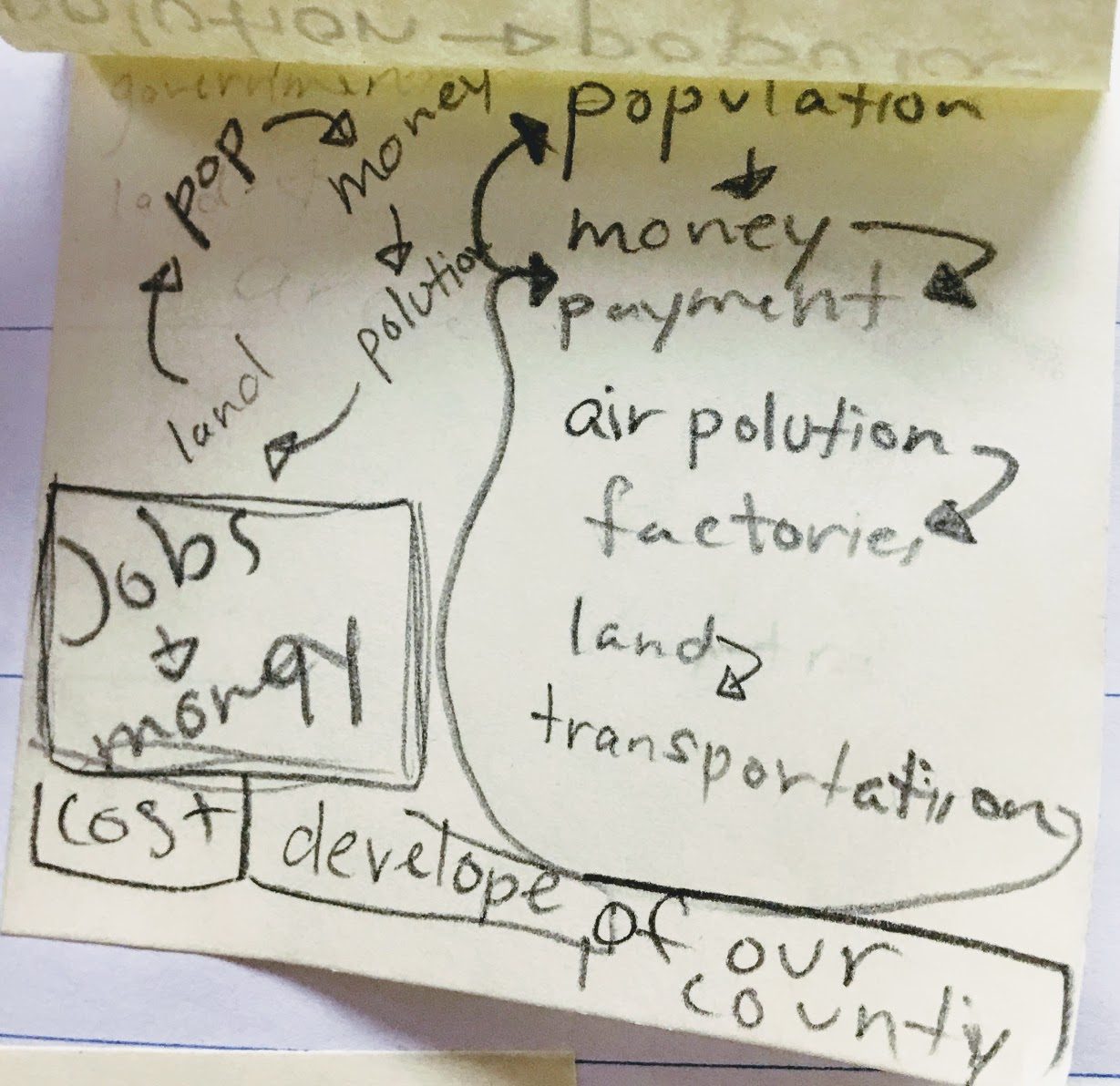 We watched the short documentary “Story of Stuff” and made our thinking visible through exit passes.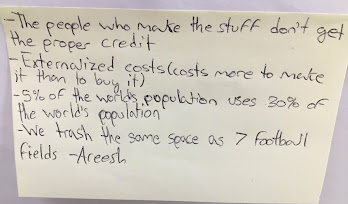
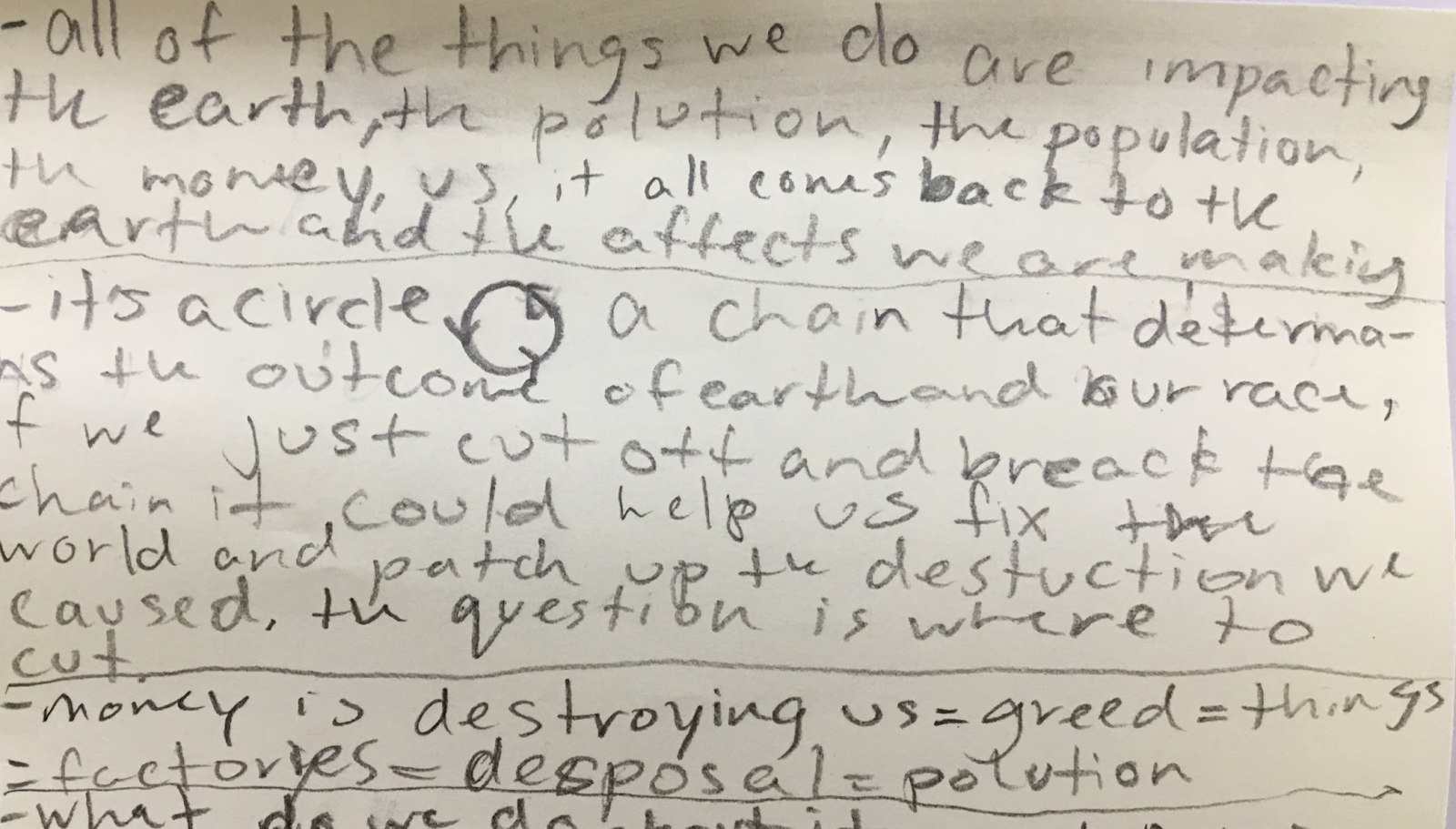
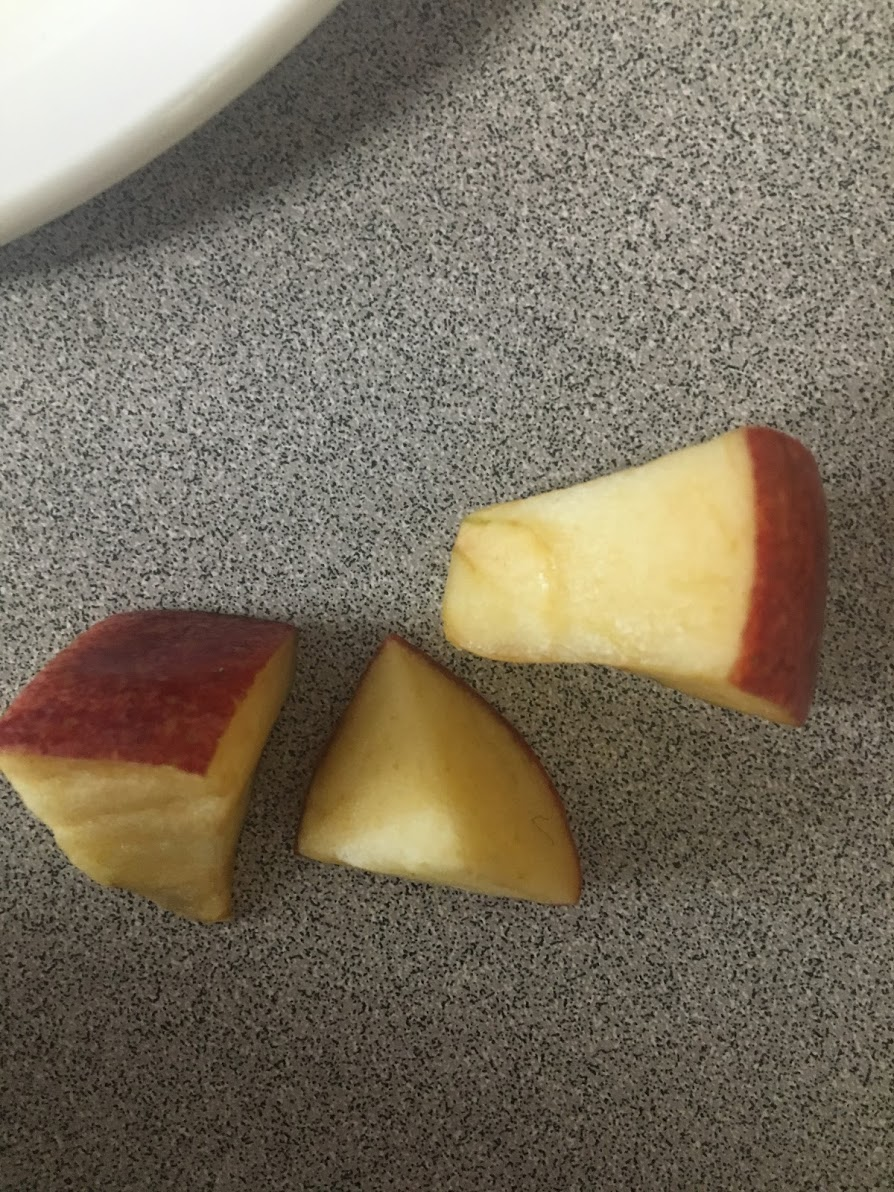
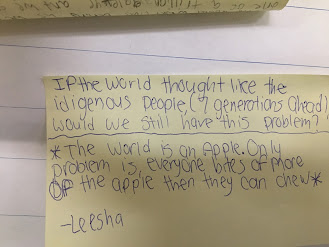
Compared the world to an apple: a metaphor

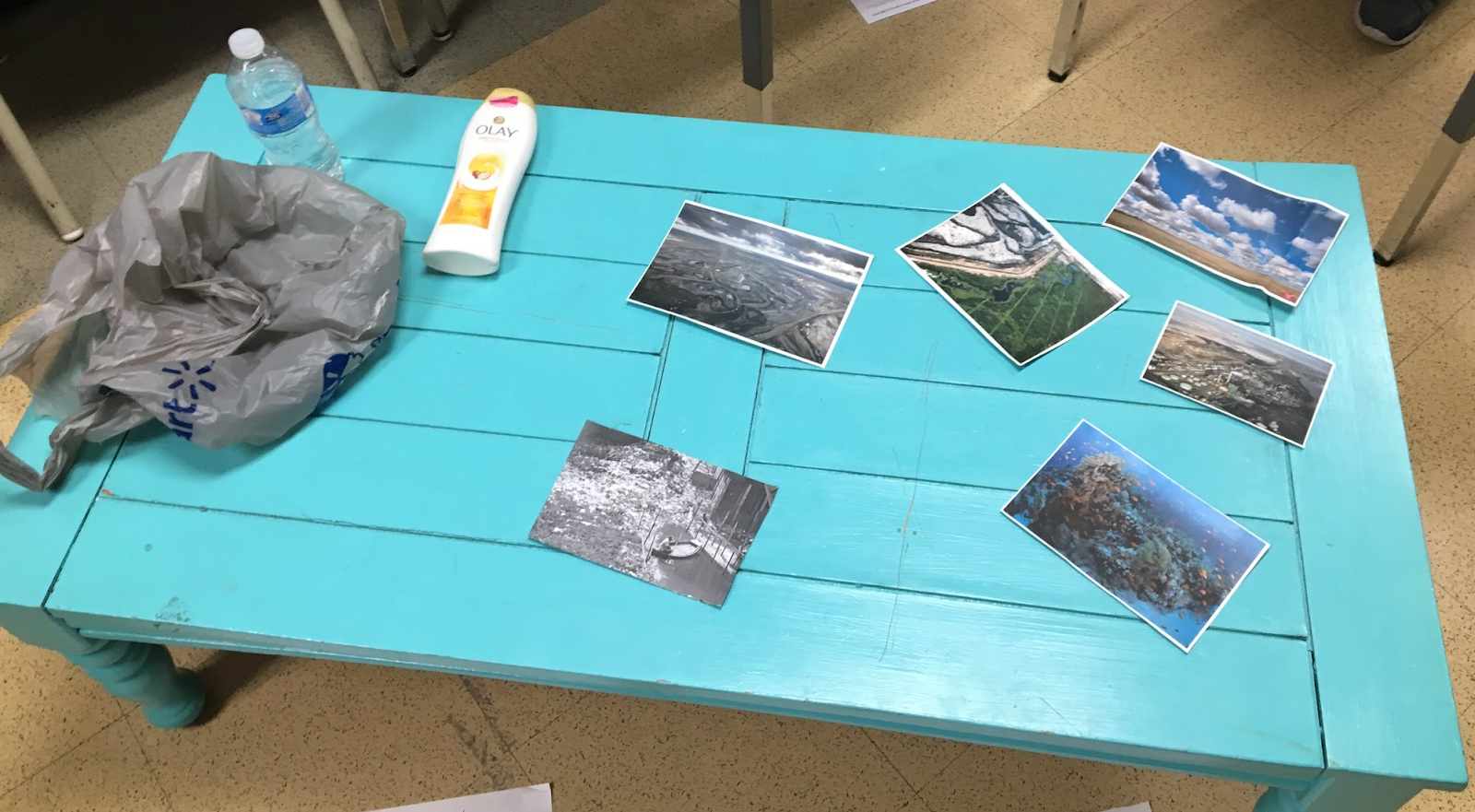
The next provocation was an experience set out for students to explore. This included a number of images of the earth and the impact of how we use natural resources, combined with our stuff (running shoe, t-shirt, plastic bag, water bottle, cardboard boxes, even my diamond ring!!). At every station, there was a piece of chart paper where students could record their thinking, and build on to one another’s ideas. The book Making Thinking Visible has this strategy “Chalk Talk” outlined in it, along with many other fantastic ways to make student thinking visible and foster critical thinking across all subject areas.




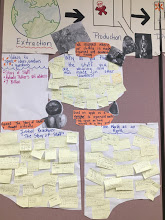
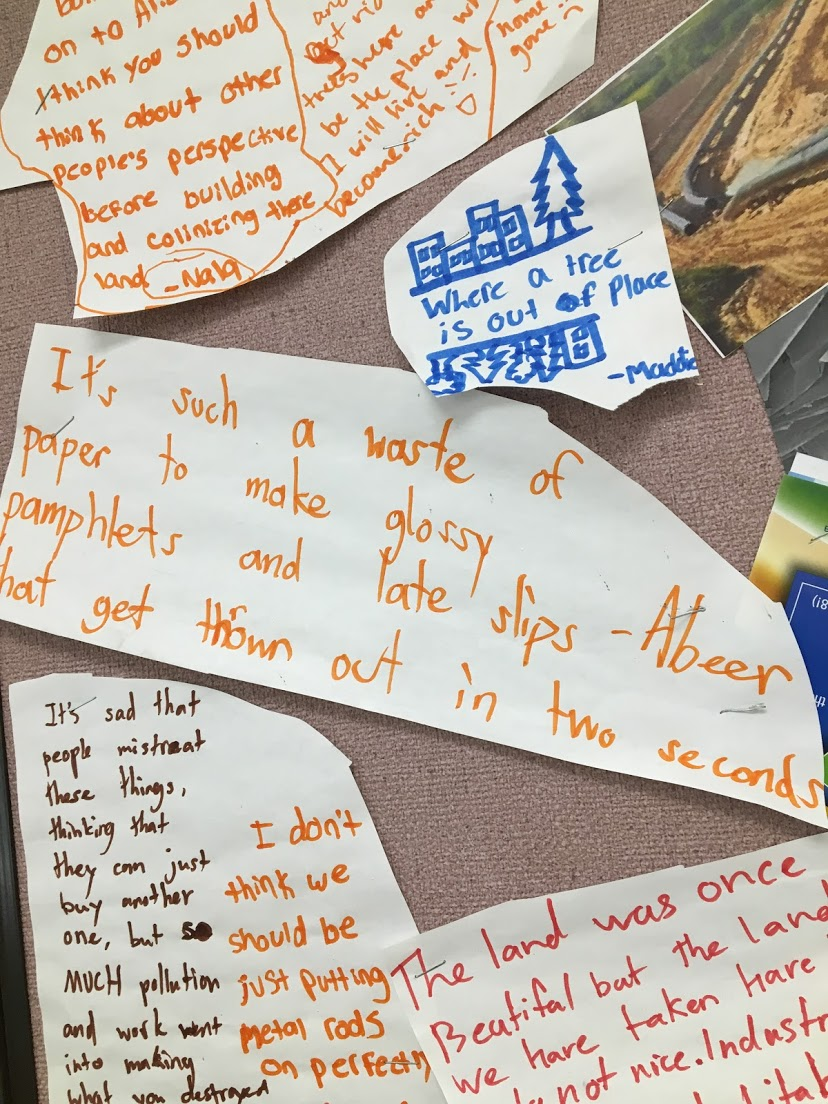
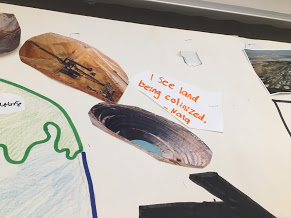 It is very important to me that student voice be the central part of the project. Even though I designed the provocations, they were the ones exploring them, and their voices guiding how the project would take shape. Throughout all of this, we were constantly having discussions and sharing further thoughts on exit passes. When my teaching partner and I originally spoke about the project in our planning sessions, we had one idea in mind, but as I listened to my students and what they were curious about, what seemed to interest them, I knew that it would go in a slightly different direction.
The Project Launch!
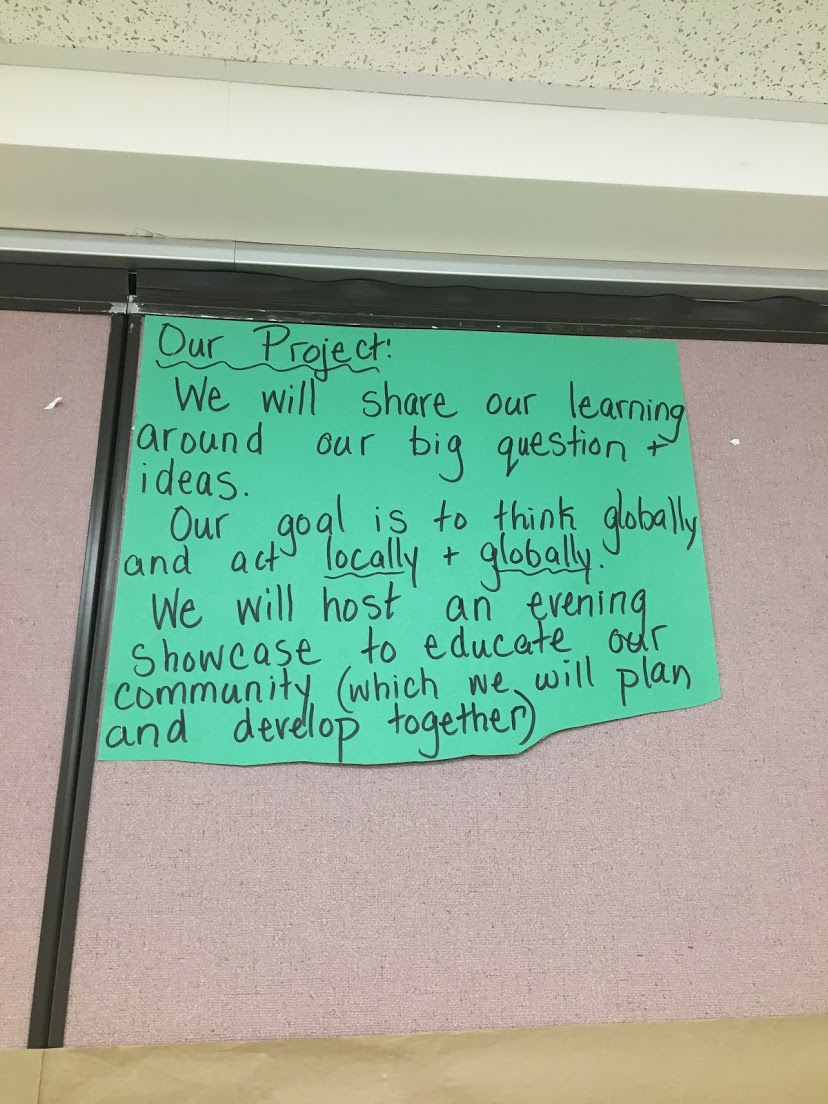
One day, we sat together and talked about what it is we could do as a class. Students seemed motivated, they seemed fired up. They cared about what we had been discussing, and they wanted to make a difference. I suggested to them that we “think global and act local”. One of my amazing kids challenged me, see the tweet below: The student who said this has since become our project 'podcaster'. He also came up with our project hashtag: #goglobalsaveearth . I know he feels empowered, I know he feels his voice is being heard, that his voice has power.
We framed our project together.
More to come on the journey soon!!
PBL is still something that I am playing with, tinkering with, wrapping my head around.
There is a lot that has happened in our classroom since I originally started to put this post together, I'm looking forward to sharing more soon.
I would love to hear other ideas and experiences about how educators bring projects to life!
-Christine


